Thermal Insulation Installation in Longmont, CO
Thermal insulation installation involves adding insulating materials to various parts of a property to reduce heat transfer and improve energy efficiency. This service covers projects such as insulating attics, walls, basements, and crawl spaces, helping homeowners maintain a more consistent indoor temperature and potentially lowering heating and cooling costs. Property owners typically want to understand the types of insulation available, the best options for their specific space, and how installation can impact comfort and energy bills.
Before requesting thermal insulation installation, property owners often seek information about the scope of the work, including which areas need insulation and the materials best suited for their climate and building type. They may also inquire about the installation process, potential disruptions, and the long-term benefits of proper insulation. Understanding these aspects can help homeowners make informed decisions about improving their property's energy efficiency and indoor comfort.
Many property owners in Longmont, CO look into Thermal Insulation Installation for repairs, replacements, upgrades, and appearance-related improvements.
Benefits Of Thermal Insulation
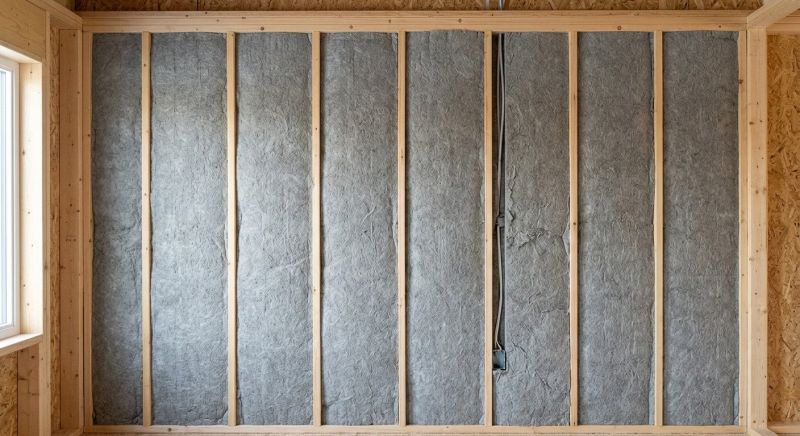
Proper insulation helps maintain consistent indoor temperatures and reduces energy costs for homes in longmont, co.
Common Insulation Applications
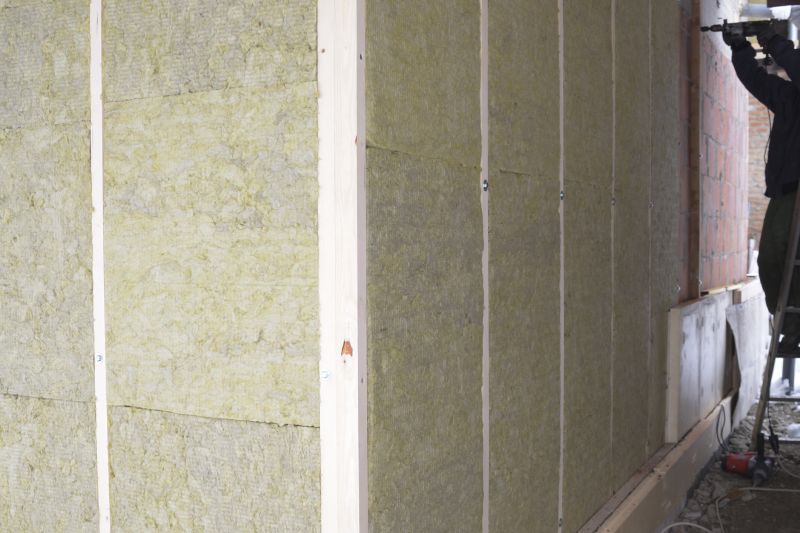
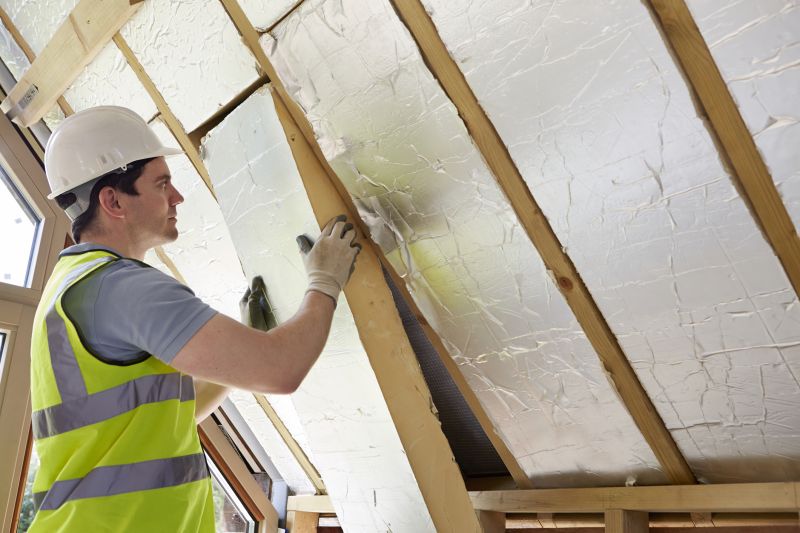
Thermal insulation is often installed in attics, walls, and basements to improve overall energy efficiency.
Choosing The Right Insulation
Selecting suitable insulation materials depends on the specific needs of the property and local climate conditions.
Thermal Insulation Installation in Longmont, CO

Thermal insulation installation involves adding insulating materials to various parts of a property to reduce heat transfer and improve energy efficiency. This service covers projects such as insulating attics, walls, basements, and crawl spaces, helping homeowners maintain a more consistent indoor temperature and potentially lowering heating and cooling costs. Property owners typically want to understand the types of insulation available, the best options for their specific space, and how installation can impact comfort and energy bills.
Before requesting thermal insulation installation, property owners often seek information about the scope of the work, including which areas need insulation and the materials best suited for their climate and building type. They may also inquire about the installation process, potential disruptions, and the long-term benefits of proper insulation. Understanding these aspects can help homeowners make informed decisions about improving their property's energy efficiency and indoor comfort.
Many property owners in Longmont, CO look into Thermal Insulation Installation for repairs, replacements, upgrades, and appearance-related improvements.
Common Thermal Insulation Installation Jobs
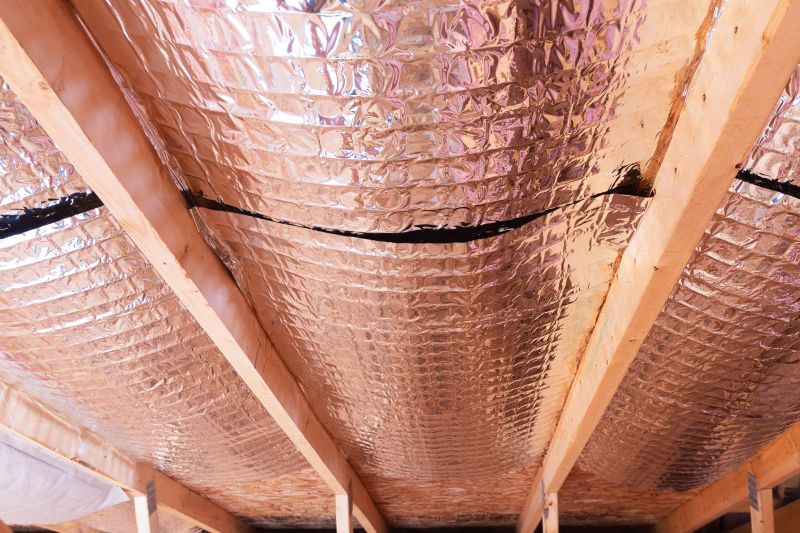
Attic Insulation - improves energy efficiency by reducing heat loss through the attic space.
Wall Insulation - enhances comfort and lowers heating and cooling costs by sealing wall cavities.
Basement Insulation - prevents drafts and moisture transfer, helping to maintain a stable basement temperature.
Crawl Space Insulation - minimizes drafts and heat loss in crawl spaces to improve overall home comfort.
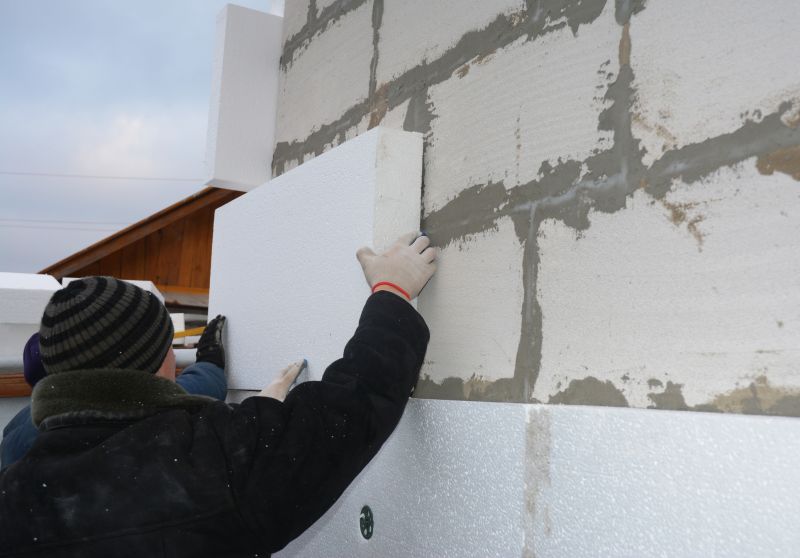
Exterior Wall Insulation - provides a continuous barrier against temperature fluctuations and air leaks.
Garage Insulation - helps regulate temperature and reduces energy transfer between the garage and living spaces.

Thermal Insulation Installation Questions
What types of properties benefit from thermal insulation installation? Residential homes, commercial buildings, and outbuildings can all benefit from improved insulation to enhance energy efficiency and comfort.
What areas of a property are typically insulated? Attic spaces, walls, floors, and basements are common areas where thermal insulation is installed to reduce heat transfer.
How does thermal insulation improve energy efficiency? It reduces heat loss in winter and heat gain in summer, helping to maintain a consistent indoor temperature and lower energy bills.
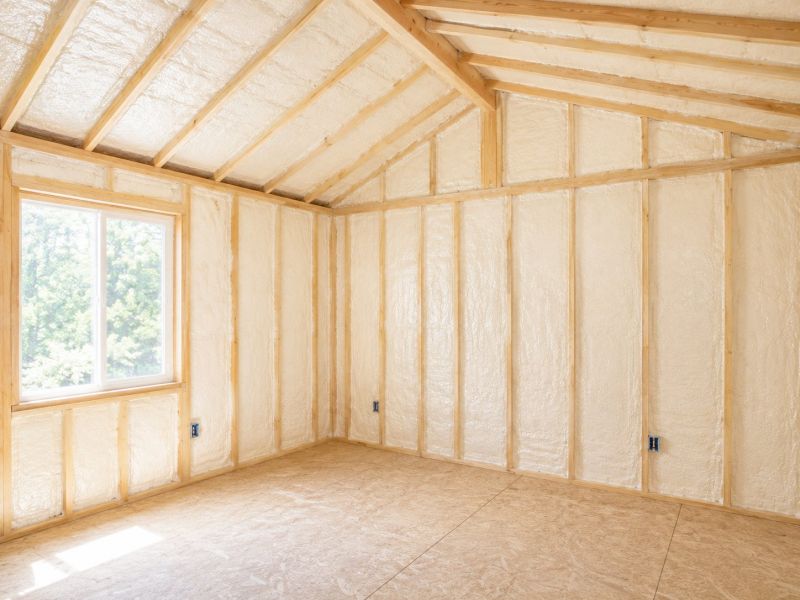
What materials are used for thermal insulation? Common options include fiberglass, foam board, spray foam, and mineral wool, chosen based on the specific project needs and property type.
Request Thermal Insulation Installation in Longmont, CO
Use the quote form on this page to share the basics of your project and request more information for the type of work you need.